What is Holistic Horse Handling?
This is the crux of who we are and what we do, both for our online students and at the Equestrian Spirit School of Holistic Horsemanship (QLD, Australia).
Hey guys its been a hot minute since we introduced ourselves!
In this video we share with you our training ethos that we work from both in our online school and at our physical school Equestrian Spirit (located in QLD Australia).
If you're picking up what we're putting down make sure you watch next weeks video "The number 1 mistake most people are making in their groundwork" where we run through the 5 pillars of holistic horse handling. And don't forget to sign up to our waitlist for the next time we are taking enrolments in to the holistic horse handling program.
Love these videos and want more tips and training direct to your inbox? Sign up to the Movement Newsletter here:

🦄 Why is connection so important in training? 🦄
When it comes time to ask more of your horse, whether it be stretching to reach audacious goals or you need to administer medical treatment… you need to consider WHY they should…
When it comes time to ask more of your horse, whether it be stretching to reach audacious goals or you need to administer medical treatment… you need to consider WHY they should…
🦄 Why should they do it?
Just providing the basic care requirements to is not going to motivate them to expend mass amounts of effort for work or stand still for uncomfortable treatment.
🦄 Why should they do it?
Just going round an arena with no apparent purpose or destination doesn't inspire motivation
🦄 Why should they do it?
Just because they can be ridden and horses have been ridden by people for generations.
🦄 Why should they let you on their back?
When we are taught that the best motivation for a horse is to inflict pain (ie bits, whips, spurs) and force submission.
🦄 Why would they look after you?
When you are ignorant to your horse telling you they have pain, are uncomfortable, don't know the answer, don't feel safe or don't have trust and confidence in our leadership
🦄 How can we expect willingness?
Connection and relationship are integral to having a safe horse that enjoys learning and asks to be ridden.
A submissive horse does as its told until it can't anymore (for fear, feeling threatened or pain more often than not) and this is best case scenario. How many submissive horses have had to retire young due to riding related injuries?
🦄 Until we can learn to hear our horse without taking offense to what they are saying, while we continue to "just push them through it" we will continue to have "naughty" horses because they feel unheard at best and in pain at worst.
Want to know how to build connection in to your training? Click the button below and join our free, live, online building connection training
The "secret sauce" for creating calm, relaxed horses
And as valuable as cue training is, there is a skill that is so rarely taught that is as equally (if not more) important.
Quite often in our lessons we are taught how we can get our horse to do x, y, z through different cues and training tools.
And as valuable as cue training is, there is a skill that is so rarely taught but equally if not more important… controlling your own state of your nervous system.
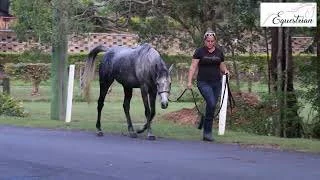
In this video I share how I do this with a little arab mare on training for breaking in.
Love these videos and want more tips and training direct to your inbox? Sign up to the Movement Newsletter here:
The top questions Powerfully Connected Equestrians ask their horses...
Hint: it’s not “why won’t my horse…”
Have you ever wondered why your horse does or does not (insert your own choice of action)?
This is actually a very common thread on many horse groups we see, whether it is why wont my horse relax, how can I get my horse to stand still at the mounting block, or why does my horse paw at the ground.
But what if I give you some different questions to ponder...
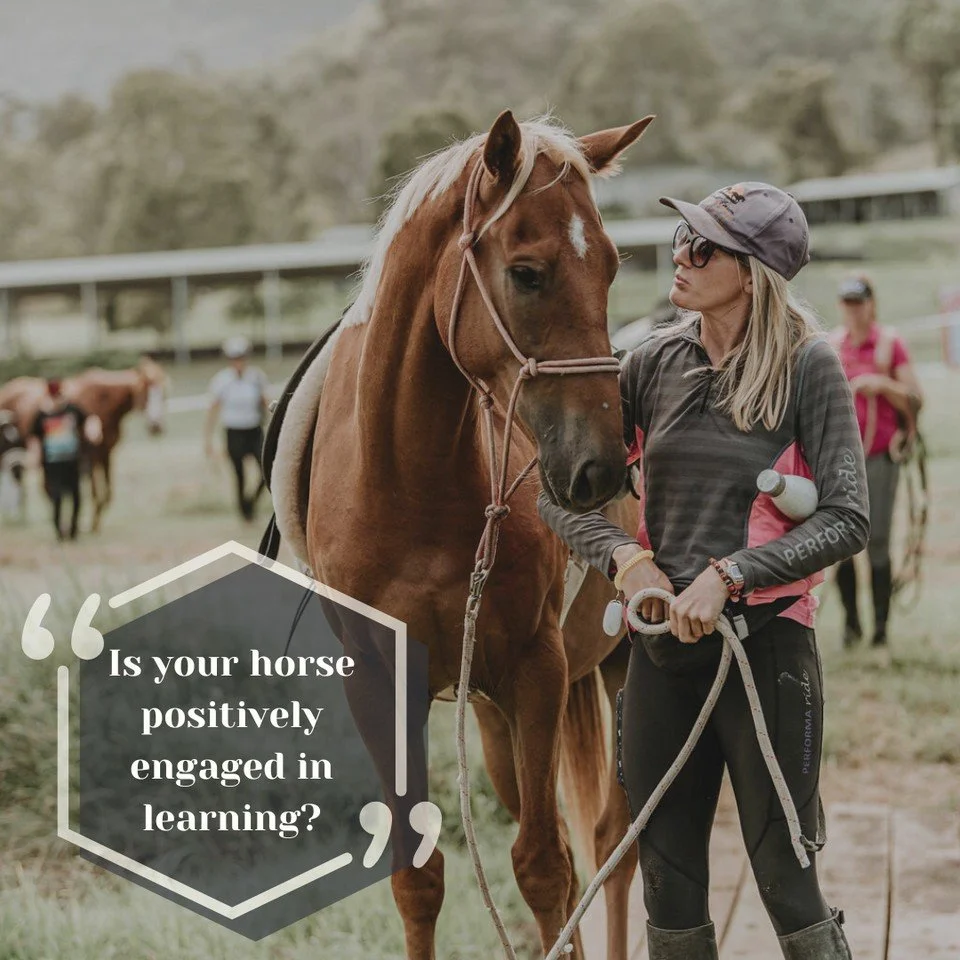
🦄 Is your horse positively engaged in learning?
🦄 Are they seeking answers?
🦄 How are you motivating them to stay engaged in communication with you?
🦄 What do they like?
🦄 What don't they like?
🦄 What lights them up?
🦄 What shuts them down?
🦄 How long does it take them to process an ask?
🦄 How do they liked to be asked?
🦄 What are their triggers?
🦄 What makes them scared?
🦄 What builds their confidence?
🦄 How do they test boundaries?
🦄 What damages their trust and creates little tears in your relationship with them?
If you're still with me 👏👏👏👏
Every single one of these questions is better than why won't my horse "x, y, z."
The quality of your training and the quality of the results is defined by the quality of the questions you ask.
How many of these questions do you have solid 10/10 confidence in the answer?
What does submission to the bit look like?
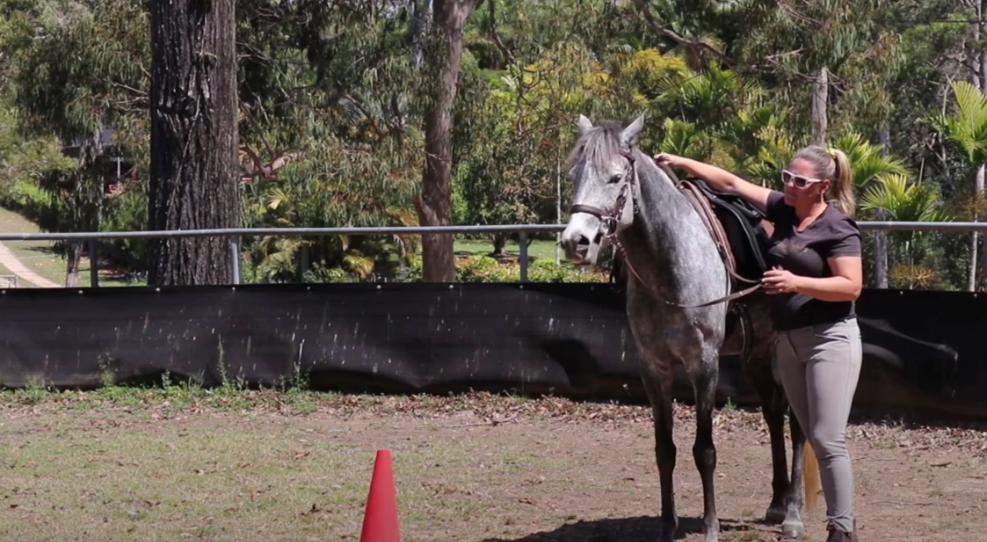
In this video we break down submission to the bit vs acceptance of contact and our favourite exercise for building trust, confidence and acceptance of our hands.
In this video we break down submission to the bit vs acceptance of contact and our favourite exercise for building trust, confidence and acceptance of our hands.
Love these videos and want more tips and training direct to your inbox? Sign up to the Movement Newsletter here:
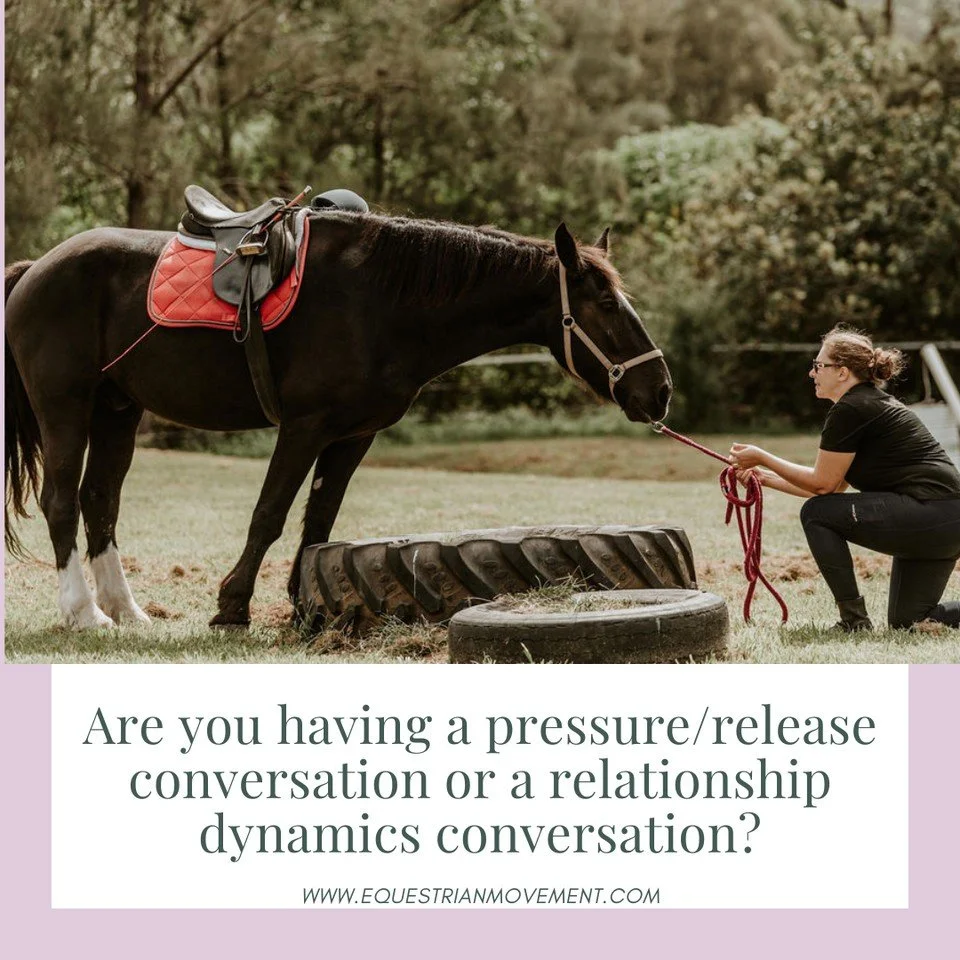
Negative reinforcement vs relationship dynamics
This is a particularly challenging concept to grasp.
Pressure/release or negative reinforcement vs relationship dynamics and being a leader your horse wants to follow.
This is a particularly challenging concept to get. Not all resistance to pressure is challenging you as a leader (in fact most is not) and getting stronger with your aid does not prove you are a good leader. You prove your leadership qualities by how well you set up your horse to succeed, how clear you are in communication, how confident you are in navigating an ask safely and communicating safety and confidence to your horse when asking things of them (ie not overfacing yourself and your horse).
Negative reinforcement/pressure release:
How are you going to guide the behaviour? Use your aversive tool to help shape and guide your horse in to the behaviour you are looking for
How are you going to mark the behaviour? Release of pressure
How are you going to motivate your horse to do it again? Technically the relief from the pressure is what motivates them to do it again but we also use praise, pats and treats.
Compassionate leadership:
Do you feel comfortable giving your horse direction and support?
Does your horse feel comfortable receiving directions?
Some horses don't like being told what to do so we have to find different ways to support our horse in accepting directions
A lot of riders feel uncomfortable giving direction and are worried about the strength of the aid they are using. We are trying to cue our horse in to lighter aids but we do have to follow through on the ask.
Figuring out our horses individual point of responsivity is the challenge and sensitising them to lighter cues is the goal. We do this by only asking things of them we can confidently follow through on and your horse can confidently answer. Have adjustable goal posts, finish on a positive note feeling like you could've done more, set yourself and your horse up so it is impossible to fail.
Want to know more about Compassionate Leadership skills and how to develop them? Join the upcomingn Stronger Bond Workshop here:

How to use pressure-release
Are you training pressure-release, or are you having a power over conversation that is antagonising conflict?
Are you training pressure/release or are you having a power over conversation antagonising conflict?
We don't want every training session we are working on cuing to turn in to a power over, submission to conversation when it comes to negative reinforcement. This can really quickly result in conflict in your relationship with your horse and escalate you in to using positive punishment to "correct" the behaviours you triggered from your horse.
Ideally pressure is just a word if its a whip the word is away from, if its the halter the word is follow. Why doesn't your horse want to take direction from you or follow your lead? This should be a completely different conversation around compassionate leadership than cue a word in with our pressure tool.
If we see every "resistance" as a naughty horse we miss their cues like, "I'm in pain, I don't understand, I can't do it, I need a break, I'm giving my best effort, I don't feel safe, I don't have trust and confidence in you as a leader".
If we take the idea of resistance to follow pressure means my horse is being naughty and I have to get stronger off the table we can figure out what our horse really needs from us. Rarely is it that we need to be stronger and more powerful. Often it is that we need to be more sensitive and tuned in to how they want to asked and how we can more effectively motivate them.
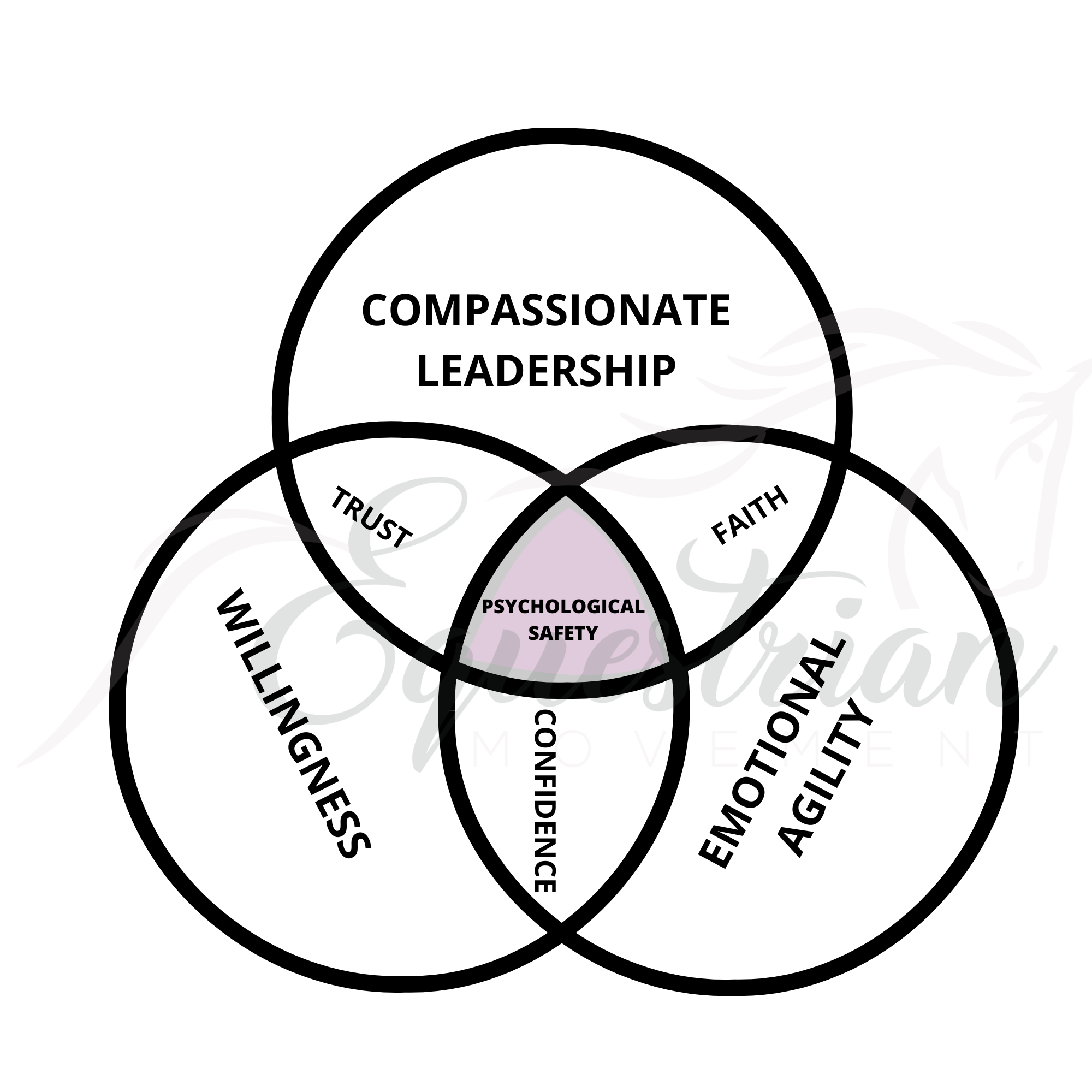
This is why the Holistic Horse Handling Methodology focuses on 3 key pillars: Commpassionate Leadership, Willingness and Emotional Agility. If you are interesting in working in a way with your horse that takes the "because I told you to" conversation to a true partenership without conflict, register your interest here:
Game Changing Training (video)
Do you know how to relax and play and enjoy your horse? It is definitely challenging when we are time poor or goal orientated. It was also a lot easier to do as a kid!!!
Do you know how to relax and play and enjoy your horse? It is definitely challenging when we are time poor or goal orientated. It was also a lot easier to do as a kid!!!
Games with our horses is a great way to bring our horses energy up in to a positive work ethic without having to use pressure or punishment for performance.
If you are looking for some inspiration for how to incorporate games and play with your horses in training to bring their energy up our training with games course is currently available at a discounted rate for a short time only. Check it out
👇👇👇👇👇
Is your horse getting frustrated?
The "negative" behaviour we see in our horses can stem from a number of places, and one of them is frustration. Frustration builds in our horses when they don't get the expected reward for the behaviour given or they don't know what the answer to your cue is.
The "negative" behaviour we see in our horses can stem from a number of places, and one of them is frustration. Frustration builds in our horses when they don't get the expected reward for the behaviour given or they don't know what the answer to your cue is.
We love using games as a fun way to develop our horses emotional agility skills to manage their frustration so that it doesn't escalate to aggression or nervous tension and so they can have the confidence and patience to keep trying different behaviours.
While we can only assume what our horses are feeling we do know this biological process of dopamine and blocked dopamine are playing out in our horses bodies. Supporting and shaping their emotional agility skills means that they have the resilience to withstand the stress and pressure that comes with training.
Want some games to help build your horses emotional agility? Click the button below the video to learn more:
Play with your horse and build a positive relationship with training tools
Emotional agility is an important pillar in the holistic horse handling methodoloy, and two of the ways to help our horses continue to develop emotional agility skills is offering choice in work and playing games.
Emotional agility is an important pillar in the holistic horse handling methodoloy, and two of the ways to help our horses continue to develop emotional agility skills is offering choice in work and playing games.
In this video we are using one of our emotional agility skills from our holistic horse handling program and offering choice to our horses in work. This is a fun game where we get to know our horses better through their preferences.
We can also use it to reshape their experience to training especially if they have experienced abuse or trauma and create a positive association to their training tools, and further expand their emotional skillset to build trust, faith and confidence.
Does your horse think you are a weirdo??
Sometimes, our horses need us to bring a different level of energy to the party...
Sometimes, our horses need us to bring a different level of energy to the party...
In this video I was working on some liberty cuing with our horses and Rabbit is providing an excellent example for why we need to match energy.
Rabbit is giving a bunch of relaxation cues, not because he is relaxing but because he is cuing me that I am too high energy and need to bring MY energy levels down. April, on the other hand, loves this kind of engagement and joins in and matches my energy level.
Paying attention to how our horses responds to our nervous "tension" is critical to developing safe horses that know how to look after us because a horse that can't control its emotions, energy and nervous tension can't control its behaviour
What should I be doing with my young, green horse?
Traditional horsemanship and training of young, green horses can result in big behaviours, but there is a better way - a safer way…
I grew up under the traditional training style of "push them through it". And when I first started out riding, training and breaking professionally there was always that initial stage that "we just need to get through" and then they would be fine.
You know what that stage is?
Learning how to learn!!!
It isn't natural for horses to be ridden. They don't inherently just know what is being asked of them and how they are supposed to respond to leg and bit pressure. And then add to that the stress, overwhelm and frustration of trying to figure out what the human wants, is it any wonder we see big behavioural problems in young and green horses?
There is a better way!!!
And that way is games!!! Just as I have to teach my students how to cue: guide the behaviour, mark the behaviour, motivate the behaviour, so too do the horses have to learn that process as well! And what better way for them to learn it than in a stress, pressure free environment of just playing together rather than the high performance, high pressure environment of getting broken to saddle.
I love using games with all behavioural issues from arena sour problems, to herd bound separation anxiety problems to stubbornnness and everything in between. Because it is just such a flick of the switch for them from what they are used to in the normal high pressure training environments. And its good for us too!!

Why doesn't my horse like me?
Developing a relationship built on trust and confidence with our horses can feel impossible some days.
Developing a relationship built on trust and confidence with our horses can feel impossible some days. Some days can feel like 1 step forward, 10 steps backwards.
Well I'm here to say it doesn't have to be so hard!
There is a way forward that is fun and easy and that way forward is through connection based training.
In this video I talk about why we want to use connection based training to get our horses social engagement system on board so that we can resolve conflict easily and quickly and move forwards in becoming a powerfully connected team, using the Holistic Horse Handling Methodology.
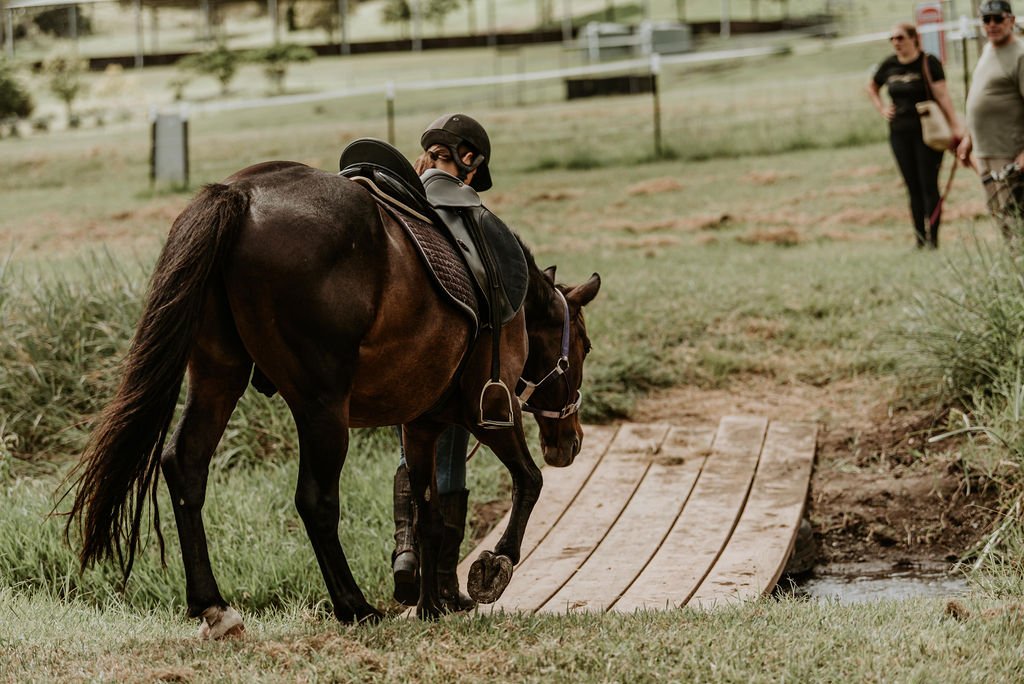
Willingness or Submission - What do you have?
These terms see to be interchangable but they are definitely not the same thing!
A lot of the time in the equestrian world willingness and submission are used interchangeably but they definitely do not mean the same thing.
The differentiating factor is: if you gave your horse permission to choose would they still say yes? Willingness would your horse saying yes to your ask or your cue even when we are using our tools for submission and control. Submission would be that our horse would say no and so the only reason why they are saying yes is because we are using our tools for control, even though you may feel like you aren't in the position of power.
Whether you feel it or not the human is always in the position of power. We are in control of where our horse lives, how they live, who they live with, when they eat, what they eat, whether they get fed or not, who they eat with etc. Because we are responsible for their basic care survival needs we are in the position of power even if you're like, well of course I'm going to do that for my horse!!! I can't stand to see a horse suffer.
Either way this relationship dynamic puts us in the position of power to our horse. Or horses can struggle underneath it or thrive with us in a powerfully connected team. It is up to you though to strategically and intentionally plan how that relationship dynamic will play out in your training. If you don't we can quickly escalate our horse in to conflict behaviours.
Want the step by step plan for building a connected and integrated relationship, plus the "how to" lesson plan for cuing the behaviours in? The Holistic Horse Handling Program is your guide to success.
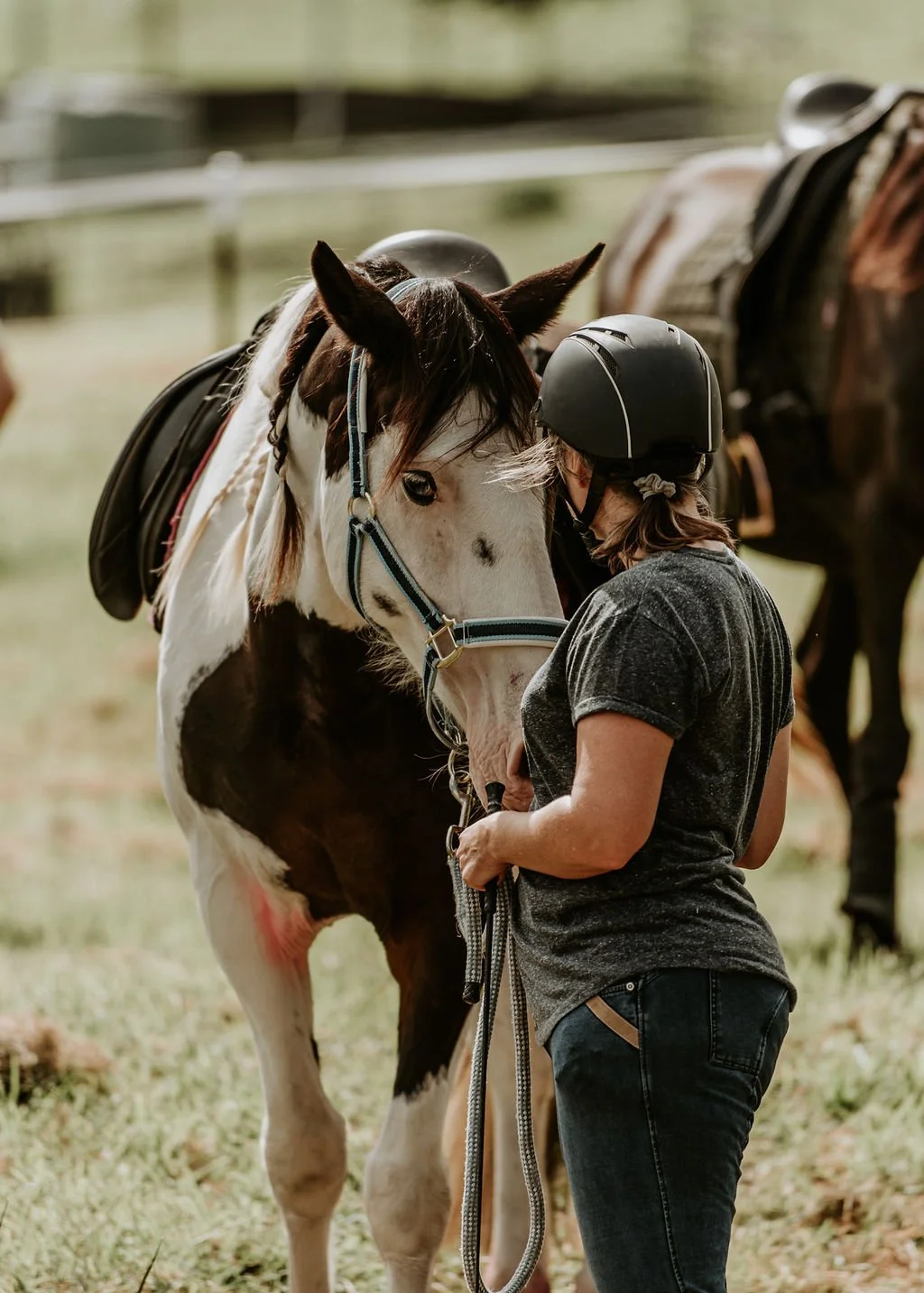
What is a Holistic Horse Handler?
A quick understanding on why we work as holistic horse handlers and how it benefits both you and your horse.
Join me in this training as we discuss what characteristics contribute to holistic horse handling. Our holistic horse handling program is currently open for enrolments. https://www.equestrianmovement.com/holistichorsehandling
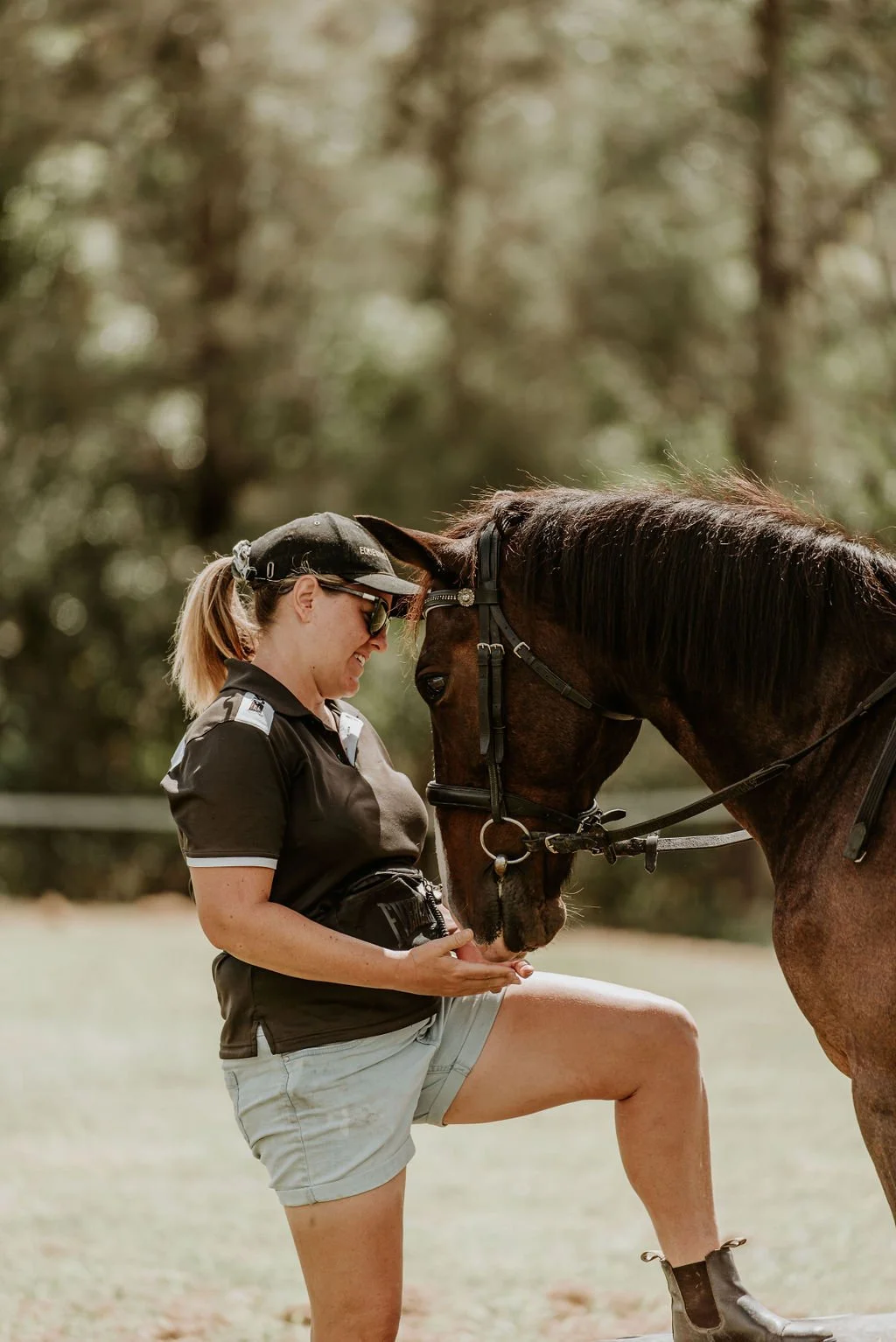
3 Reasons why connection is important
Heart horse or not, we should develop connection with our horse.
Have you ever had a heart horse? That one horse (or if you are lucky, several) that immediately stole your heart? That horse that had quirks you looked upon as part of their personality and made you love them more?
If you have, you were lucky enough to experience connection immediately.
If you haven’t, or don’t have that with your horse at the moment, don’t worry, you can get that feeling. Even with a lease horse!
But why is it so important? Let me give you 3 reasons you should be looking for connection with your horse:
Connection fosters true communication
These two are intertwined as because quite simply, they cannot exist effectively without the other. Without connection, you can’t have effective communication. Without communication, you can’t have a strong connection.
Connection creates this flowing two way state. You are actively asking your horse to look to you and you are looking to your horse. When this happens, we are starting to build that communication that allows you to not only ask your horse to participate, but allows your horse to say yes or no.
Without connection, communication can become “I say, you do” as opposed to “I ask, do you agree?”
Connection helps us remove that power-over model that leads to many horses needing to use bigger behaviours to try and tell us their needs, and instead allows us to ask if our horses are willing or ready.
Connection builds trust
Connection has a massive impact on trust. As we build our communication and ask instead of tell, we see our horses change, feel more comfortable to express their concerns openly, and ask of us what they need (instead of having to show us in those big behaviours that can become painful or scary). Connection becomes integral in helping us become a compassionate leader our horse can look to for guidance.
That, my dear equestrians, is how you build trust with your horse.
Connection creates confidence
Confidence is one of those annoying feelings that we can sometimes lose at the drop of the hat – both you and your horse. Some people and horses seem to be built with more of it, and others, well, not quite so much. But even in people and horses that seem confident in themselves can struggle with confidence in the half of the equestrian team.
Connection allows your horses confidence in you to be strengthened because with connection you are listening, consistent with your actions and have their needs forefront of mind.
Connection allows your confidence in your horse to build and grow as your horse no longer needs to scare or confuse you with its behavior, and has shown that they are ready to be a team with you.
With connection, you can build a truly powerful, connected equestrian team that has faith, trust and confidence in each other.
Are you ready to work on connection with your horse? You can access our free course on Building Connections - join by clicking the button below:
Is your horses behaviour trauma, or needing leadership?
I have worked with a lot of horses over the years with difficult behaviours and there is a bit of a tell from the horses that are scared of humans due to trauma experienced either just in their life or at the hands of humans and horses that are scared because they lack confidence and trust in their human.
I have worked with a lot of horses over the years with difficult behaviours and there is a bit of a tell from the horses that are scared of humans due to trauma experienced either just in their life or at the hands of humans and horses that are scared because they lack confidence and trust in their human.
Both horses are scared and show spooky, reactive behaviours but the way we address them are subtly different.
The horse that has experienced trauma always has its exit strategy front of mind and won't let itself be cornered. It will go over the top of you if they feel you have them trapped. The feeling of being trapped is their biggest trigger so something as simple as holding their hoof to clean it can be a trigger. They need to know it is safe for them to relax and sleep around you. That you are not the threat.
The horse that lacks confidence and trust in you will show a lot of resistance that becomes flightiness or sometimes aggressive. They often feel unheard and their needs unmeet and that they don't have the support from us they need to face the difficult challenges we want to put in front of them. They tip over to fight or flight because they don't see us as a leader worth following and they don't trust the decisions we make for them have their best interest at heart.
Want to learn more about how to read how your horse responds to your requests before they are over threshold and showing big, dangerous behaviours? Register for our holistic horse handling program to get on the waitlist for when it next opens.
How to work with the spooky, sensitive and reactive horse
Dealing with your horses flight and startle response is basically the essence of being an equestrian.
Dealing with your horses flight and startle response is basically being an equestrian. I've had many instructors and coaches over the years tell me different ways to work with it from being scarier than the thing they are scared of to densensitisation training and what we work on in the school now we call emotional agility skills.
Working with our horses to support the development of relaxation and confidence through curiousity skills gives the horse both the skills to know what to do when they are scared and experience of what confidence feels like when they overcome their fear. This is 2 skills we use to develop a powerfully connected partnership with our horses and show up for them as leaders they can trust rather than trying to fix the "problem behaviour" and as a result pushing a wedge in our horses trust and confidence in us so that they disconnect and shut down at best and become more reactive and unsafe at worst.
Keen as a bean to have an array of lesson plans to choose from so that each training session is designed to bring you and your horse closer together not drive each other further apart?

Did you know your horse can talk to you?
So it is time we learnt to listen!
Hey team! Welcome to our training series “you don't know what you don't know”, where I unpack a lot of the training topics that I tend to teach on repeat at the school!
Todays topic: Your horse can talk to you!! It's time you learnt how to listen.
We talk about how your horse is talking to you all the time and how you can build more enthusiastic willingness by listening to them.
We also unpack what we are talking about with submission vs resistance and how we can not only create more submission but true willingness.
Want a free training to improve your horses level of willingness? Check out our connection training.
Learning with games
Has your horse learnt how to learn?
Has your horse learnt how to learn? It is one of the most common missed steps in a horses development and one of the most common reasons (other than pain) that I see for big behaviours from horses.
In the industry we use a lot of tools to pressure our horses in to behaviours but not often are we told how to use it appropriately to mark the behaviour we want from our horse (let them know yes that is actually what I want) and motivate the horses to do it again.
In the school all our students have to do half hour of groundwork as part of their training. We do clicker training as part of our groundwork and every time I hear, wow, its so easy!! Because when we understand:
guide the behaviour
mark the behaviour
motivate the behaviour
We make learning easy for our horse and giving us the right answer simple. So learning through games and positive reinforcement is one of the tools in the tool kit of the holistic horse handler.
Want more tools? Check out the free online Masterclass.
Looking for more specific content?
Have a question you are seeking answers to? Send us a message and we will create a blog!